
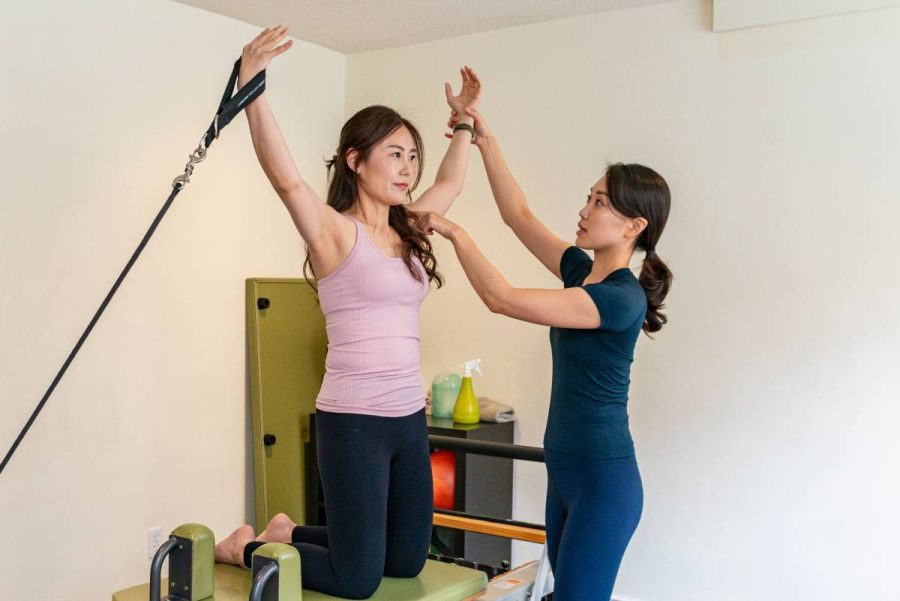
With summer officially over, we’ve seen regular clients resume their workout routines while new clients resolve to commit to a weekly Pilates workout. Fall can be a busy time and often studio clients will switch to a different instructor’s schedule for lots of different reasons that need to be accommodated and respected.
Change is inevitable and usually a good thing. But a smart Pilates instructor will remember that each client has a different focus, a different idea in mind of what the hour should achieve and a different way of connecting their client into the Pilates workout.
Knowing your client beyond their Pilates workout is as important as the exercises you teach.
Mastering an understanding of the exercises and modifications for common postural alignments or musculo-skeletal limitations is absolutely key to what you offer as a Pilates instructor.
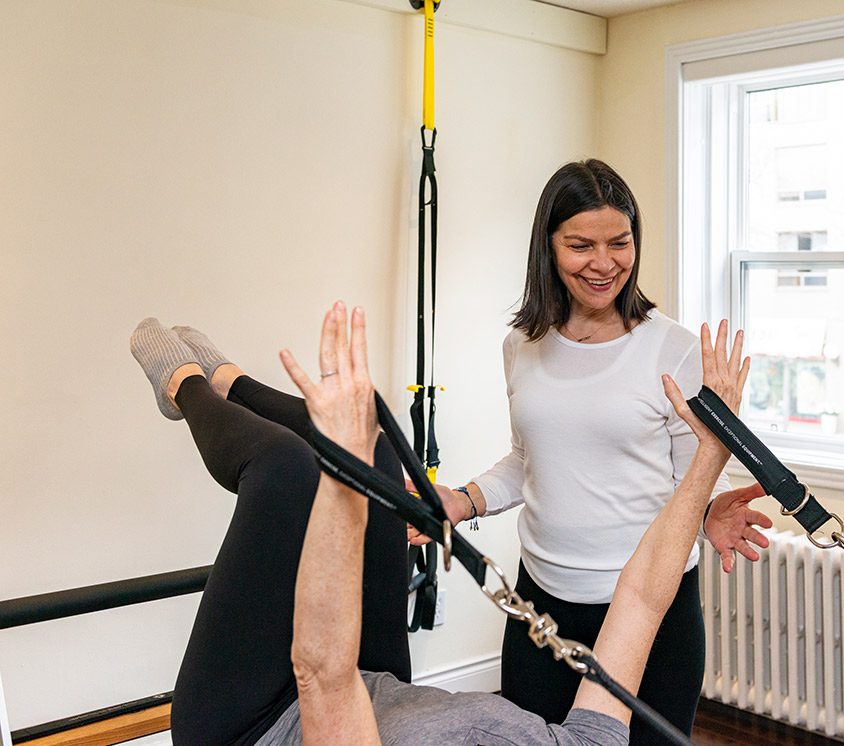
But, if you don’t have a sense of who you’re working with and the type of personality you’re engaging in the session, it can become a frustrating experience – and challenging to retain clients long term.
For many clients, their Pilates session is often about working with a familiar person as much as it is about the workout.
Clients can get attached to one instructor and when they do work with another one, the most common feedback I receive as a studio owner, (both positive and otherwise), is about the instructor’s personality, demeanour, attention and attitude.
And that can often be the deciding factor to continue with an instructor or request someone else, which will impact your client retention.
Strong communication and leadership skills.
Very often, Pilates instructors teaching private sessions’ will wear different hats throughout their studio shift based on the clients they teach.
Communication and leadership skills are key if instructors want to retain and successfully progress clients. They are part of teaching those clients who want to focus on their Pilates workout and very little else as well as teaching those talkative clients who need a gentle, but firm approach, so that a well rounded workout is achieved – even if their focus is on, well, everything except their Pilates workout.
Those skills aren’t be developed through the memorization of exercises, modifications and muscles.
They’re cultivated through patience, trusting your intuitiveness, being curious about and engaged with your clients and by having an absolute genuine interest of and respect for others.
It is important to remember that you are leading the Pilates workout; they’re paying you and you are the expert.
But it’s also important to remember that your clients choose to spend one or more hours with you each week.
Beyond the workout, asking about their interests, hobbies or if appropriate, their concerns is a thoughtful gesture that demonstrates your appreciation for their business and the privilege of working with them.
Something as simple as a quick email that congratulates them on a great workout or movement accomplishment. Or a text that checks in on how they’re doing after a setback or illness can make the difference between a transitional clientele and an established clientele that is committed to you for your entire professional career.